

What the 2026 NGER Amendments Mean for 2026-2027 Reporting
The 2026 NGER amendments introduce a range of changes to emissions estimation methods, emission factors and reporting requirements. They will apply from the 2026-27 reporting year onwards, affecting reports due by 1 November 2027.

What the Draft NSW Air Modelling Methods Could Mean for Your Upcoming Project
The draft NSW EPA Air Modelling Methods could significantly change how projects are planned and approved, with implications for timelines, costs and approval risk. Projects that invest early in clear, well‑justified modelling and engagement with regulators are likely to be better placed under the proposed approach.
NGER Scheme 2026 Updates: Why This Consultation Matters for Your Business
Australia is proposing significant updates to the NGER Scheme from 1 July 2026 that could materially affect how businesses measure and report emissions, particularly under the Safeguard Mechanism. With consultation open until 8 May 2026, this process offers a critical opportunity for organisations to understand the impacts and influence the final rules before they take effect.
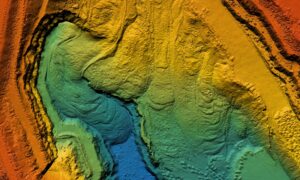
Representation of Source and Receptor Heights in Steep Terrain Dispersion Modelling
Air dispersion modelling in complex terrain can be highly sensitive to how terrain and receptor elevations are represented. This paper compares CALPUFF, AERMOD and GRAL across steep terrain scenarios and provides practical recommendations for improving the reliability of air quality impact assessments.
Case Study – Odour from a Landfill Following a High Rainfall Event
Following extreme rainfall and flooding in 2022, a Queensland landfill became the source of widespread odour impacts across nearby residential communities. This paper investigates the causes of the event and the key site conditions that contributed to prolonged odour emissions.
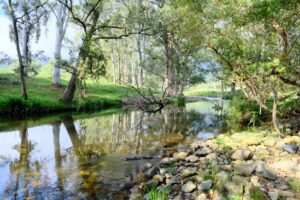
Deposition of Metals into Creek Catchments
Industrial facilities can release metals to the environment through both air emissions and stormwater runoff, creating challenges in understanding how contaminants move through surrounding ecosystems. This paper explores the potential link between atmospheric metal deposition and water quality using air dispersion modelling, catchment analysis, and field measurements to assess air-to-water pathways at an industrial site.