

Acoustic Effect of Platform Screen Doors: A Case Study of IMES Metro Station, Istanbul

This case study demonstrates how Platform Screen Doors (PSDs) at IMES Station significantly improved the acoustic environment by providing both safety and effective noise isolation, reducing reverberation and enhancing speech intelligibility. The findings show that integrating PSDs enables compliant, cost-efficient acoustic design by lowering noise transmission and minimizing the need for extensive additional treatments.
Modeling the Effect of Railpad Stiffness on Railway Ground-Borne Vibration Levels

This study develops a theoretical model to assess how railpad stiffness affects ground-borne vibrations under varying train speeds and axle loads, highlighting its critical role in vibration transmission. It finds that while soft pads reduce high-frequency vibration and stiff pads limit deflection but increase transmission, an optimal intermediate stiffness provides the best balance between vibration control and structural performance.
Correlation of Traffic Noise Parameters in Queensland
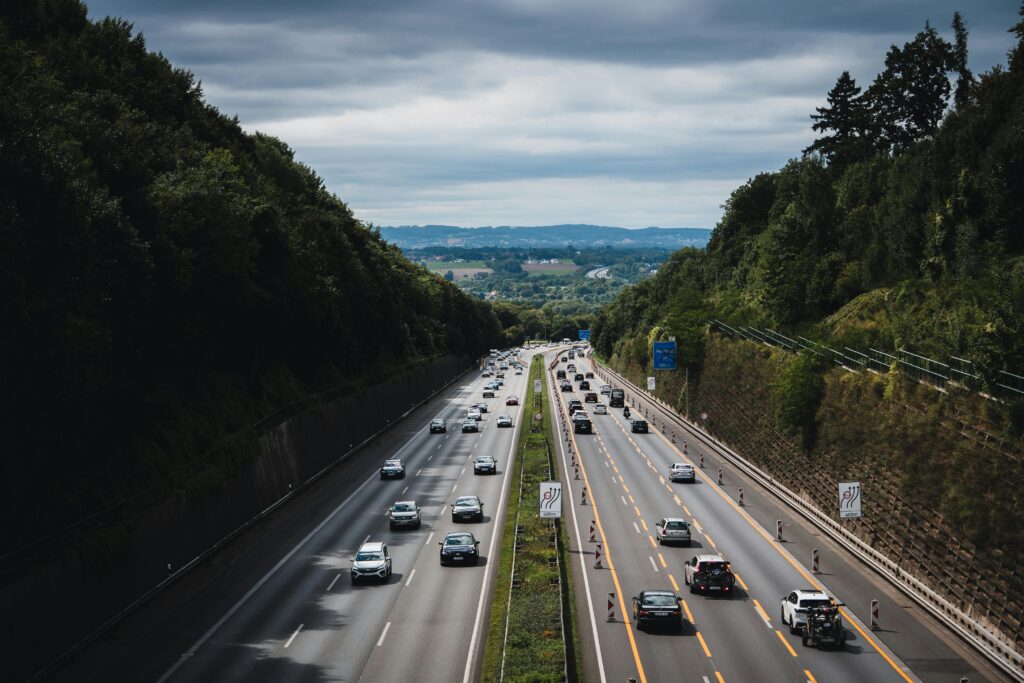
The current available approaches for predicting road traffic noise level indicators rely solely on Linear Regression models that use either LA10(18H) or LA10(1H) as an input variable. This paper extends the prediction scope of regression models to include important indicators and additional road traffic factors as input variables and compares the performance of several machine learning regression methods.
Noise Management Strategies: Large-Scale BESS Projects in Australia

This study reviews effective strategies, beyond traditional barriers, and underscores the importance of strategic planning and innovative noise mitigation to facilitate the sustainable growth of BESS projects in Australia.
Outdoor Event Noise Monitoring – Lessons Learnt and Recommendations for Future Events

This paper reviews 13 years of experience and more than 200 outdoor concert events and festivals, in the capacity of noise monitoring and live management, and discusses the insights gained regarding the interpretation of noise criteria and ability to achieve practical outcomes.
An assessment of the effectiveness of acoustic treatments for balconies and open spaces…
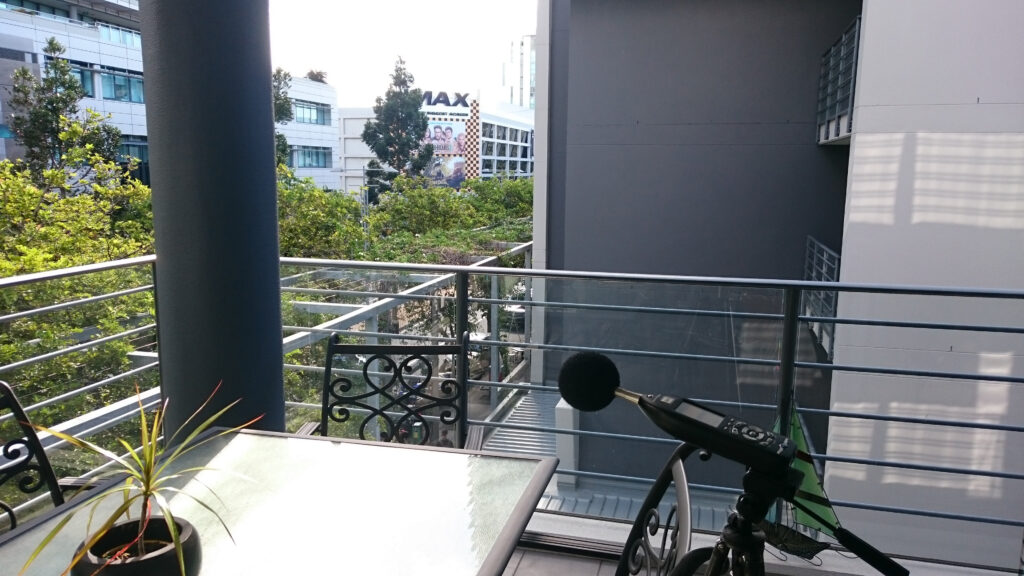
This study examines the effectiveness of acoustic treatments required to fulfill “Queensland State Assessment and Referral Agency (SARA)” conditions for balconies or private open spaces in apartment units above the ground floor.
Evaluation of an urban tram noise impact: A mapping study in the Golden Horn

This study aims to investigate the noise exposure and potential sleep disturbance in settlements near the Eminönü-Alibeyköy tram line, including the impact of possible nighttime tram operations to address emerging public demand in the historical Golden Horn region.
Development of a venting management procedure for container fumigation operations

Container fumigation is frequently undertaken for quarantine and pre-shipment purposes. The process ensures that a commodity is free from pest and disease prior to export or import. Due to the hazardous nature of the chemicals used (such as methyl bromide and phosphine), physical air emission controls such as carbon filtration are required to minimise air quality impacts.
Comparison of two prognostic meteorological models, WRF and TAPM, for Brisbane

While employing TAPM produced prognostic data, it is critical to assimilate weather station observational data for dispersion modelling. This paper presents prognostic modelling method and results using both the TAPM and the WRF models for the northern and inner suburbs of Brisbane, Queensland.
Health risk assessment methodology and environmental justice analysis using HHRAP
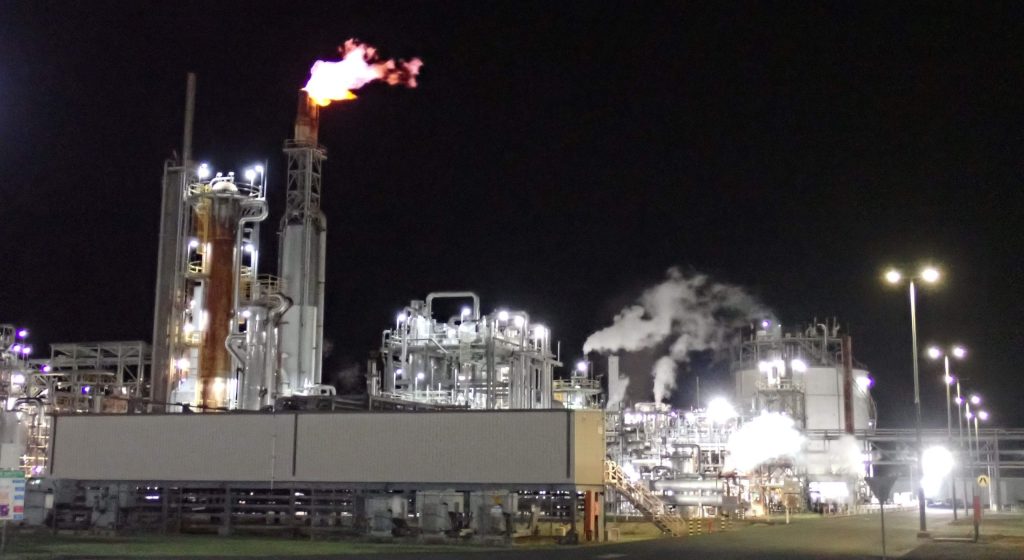
This study examines the utility of one HHRA methodology, the U.S. EPA Human Health Risk Assessment Protocol (HHRAP). It builds on a previous paper which evaluated the HARP risk assessment tool for similar purposes. HHRAP was developed by U.S. EPA to provide a means of simulating the risk caused by multi-pathway (air, soil, water, food, etc.) exposure to more than 200 air pollutants.